The Inference Cost Curve: Why Token Prices Keep Falling
Speculative decoding, MoE pruning and purpose-built silicon are pushing effective token prices down an order of magnitude per year.
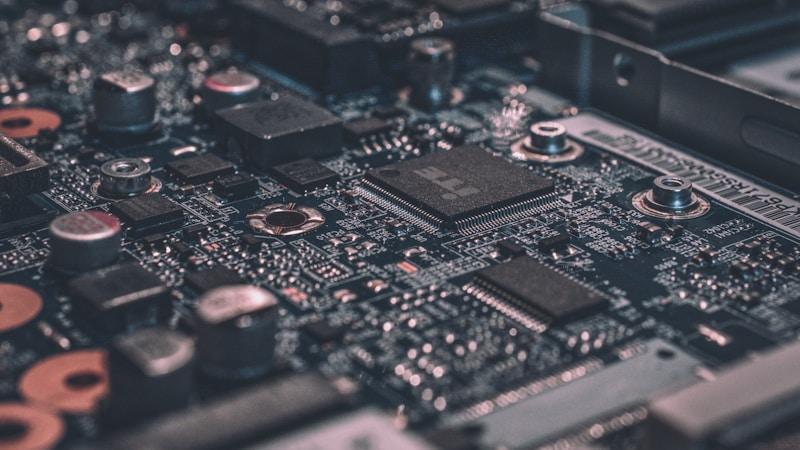
The compounding tricks
It's not one breakthrough — it's a stack of compounding optimisations: speculative decoding, activation sparsity, quantisation to 4-bit, and inference chips with huge on-chip memory.
Extrapolating the trend, the marginal cost of a GPT-4-class token in two years will be a rounding error. The economics of AI products will shift from paying for intelligence to paying for trust and workflow.
FAQs
What is "The Inference Cost Curve: Why Token Prices Keep Falling" about?
Speculative decoding, MoE pruning and purpose-built silicon are pushing effective token prices down an order of magnitude per year.
Who wrote "The Inference Cost Curve: Why Token Prices Keep Falling"?
"The Inference Cost Curve: Why Token Prices Keep Falling" was written by Demo Admin. Building incoffeed — a daily editorial on tech, AI, fintech and business. Co-founder & editor.
How long does it take to read "The Inference Cost Curve: Why Token Prices Keep Falling"?
10 min — that's the estimated reading time for "The Inference Cost Curve: Why Token Prices Keep Falling" at an average pace.
Where can I find more stories like "The Inference Cost Curve: Why Token Prices Keep Falling"?
More AI coverage lives under the “AI” topic on incoffeed. You can also react to this story and join the discussion below — the feed keeps serving related reads as you scroll.